What It Takes To Launch On TikTok Shop
What it takes to launch on TikTok Shop: registration, product eligibility, listings, shipping deadlines, creator commissions and operations readiness.
V&L Enterprise LLC · · 5 min read
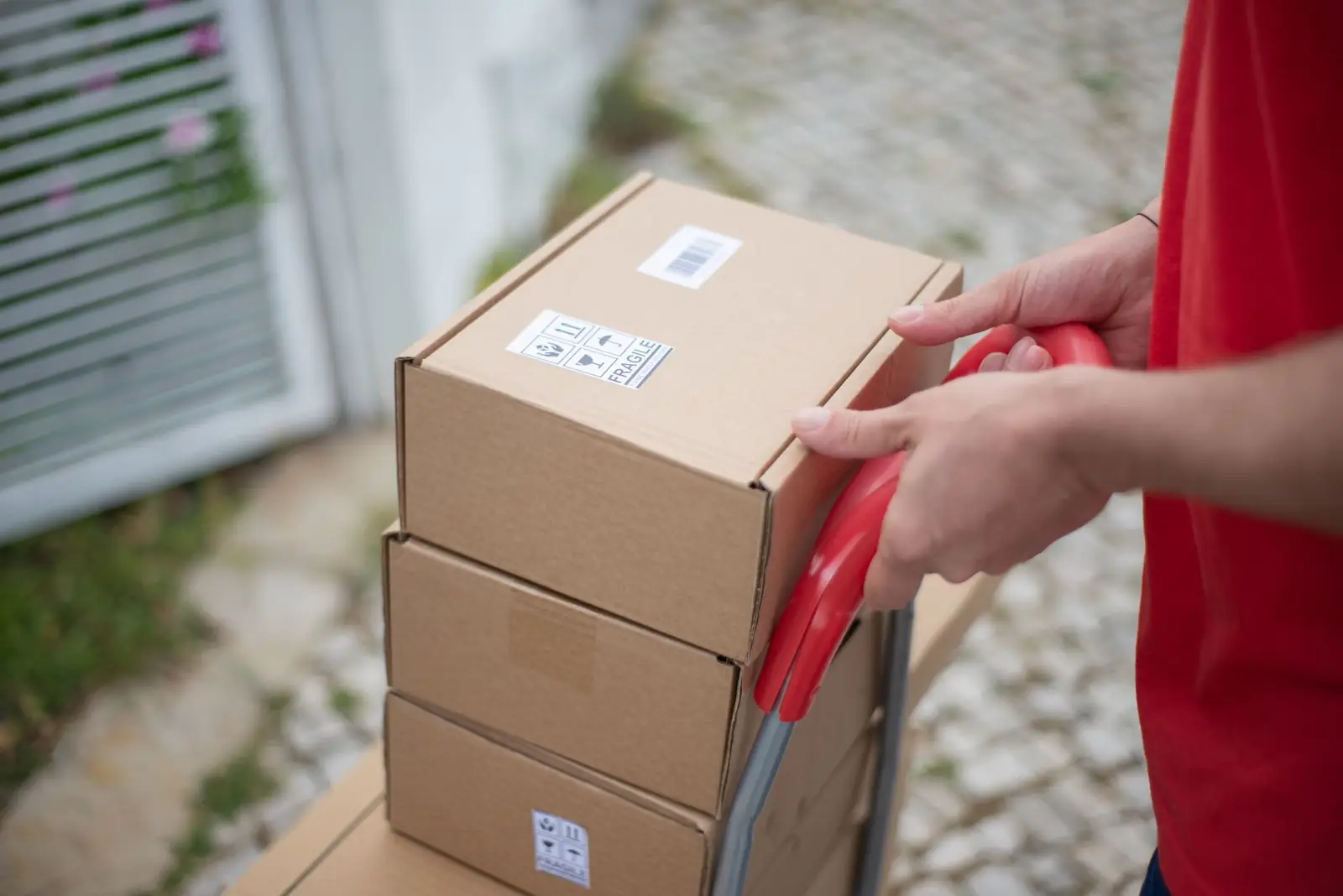
TikTok Shop works differently from a search-driven marketplace. Most sales start with a video or a live stream, not a search bar, and demand can arrive suddenly when a creator's post takes off. That makes the launch as much an operations exercise as a marketing one. If your listings, pricing and fulfillment aren't ready, a spike in orders becomes late shipments and cancellations instead of growth.
Here is what a TikTok Shop launch actually involves.
Registration And Account Setup
You register through the TikTok Shop seller center. Requirements vary by seller type and change over time, so check the current rules before you start. In general, expect to provide:
- Business verification: legal business name, registration documents and a tax ID. Individual seller options may exist, but a business account is usually the better fit for a brand.
- Identity verification for the business owner or representative.
- A bank account for payouts, in the business's name.
- Warehouse and return addresses in the US.
- Brand information, if you sell your own brand or are authorized to sell someone else's. Some categories and brands require proof of authorization.
Make sure every document matches exactly. Mismatched names or addresses are a common reason for delays.
Product Eligibility And Restricted Categories
Not everything can be sold on TikTok Shop, and some categories need approval before you can list. TikTok maintains lists of prohibited products and restricted categories that require extra documentation, such as safety certifications, test reports or proof of authorization.
Before you plan a launch:
- Check each product against the current prohibited and restricted lists in the seller center.
- Gather compliance documents early for anything in a restricted category. Approval can take time.
- Review content rules as well as product rules. Claims about health, results or comparisons can get listings or videos removed even when the product itself is allowed.
- Be careful with products that make regulated claims. If you can't back a claim with documentation, don't make it on the listing or in creator briefs.
Listings That Work On TikTok Shop
Your product detail page is where a viewer lands after tapping a product in a video. It has to convert quickly.
- Titles: clear and descriptive. Say what the product is, the key attribute and the variant. Avoid keyword stuffing and hype words.
- Images: a clean main image plus lifestyle and detail shots. Many shoppers arrive on a phone after seeing the product in use, so images should match what they saw.
- Variants: set up size, color and pack-count variants properly so shoppers don't land on the wrong option.
- Accurate attributes and descriptions: mismatches between the video, the listing and the delivered product drive returns and negative reviews.
- Inventory: tie listing quantity to real, available stock. Overselling during a spike is one of the fastest ways to damage your account.
Shipping Deadlines And Performance
TikTok Shop sets shipping and handling requirements and tracks seller performance. The exact windows and thresholds are set by TikTok and can change, so read the current policies in the seller center. What stays constant is how the system works:
- Orders must be shipped within a required handling window, with valid tracking.
- Late shipments, cancellations and invalid tracking count against you.
- Performance scores affect your account. Poor performance can restrict features, reduce visibility or lead to penalties.
- Customer service response times are measured too.
You can ship orders yourself or use TikTok's own fulfillment option, where available, for eligible products. Either way, you need a plan for handling a sudden jump in order volume.
Creators And Affiliate Commissions In Your Pricing
The affiliate program is central to TikTok Shop. Creators promote your products and earn a commission on sales they drive. You set the commission rate, either openly for any creator or through targeted collaborations with specific creators. Some creators also expect free samples or flat fees.
This changes how you price. Before you set a price, account for:
- Product cost and inbound freight.
- TikTok Shop's platform fees, calculated on each sale. Check the current fee structure in the seller center.
- Affiliate commission on creator-driven sales.
- Samples: product cost plus shipping for every sample you send.
- Fulfillment: your own shipping and labor, or fees for TikTok's fulfillment service.
- Promotions: discounts, coupons and shipping offers you fund.
- Returns.
A common mistake is pricing for the marketplace fee alone and then discovering there is no room for a commission that would interest creators. Model your margin with the commission included, and decide your minimum acceptable margin before negotiating with anyone.
Working With Creators
- Choose creators whose audience matches your product, not just those with the biggest following.
- Send clear briefs: what the product does, what claims are allowed, and what's off-limits.
- Track sample-to-content rates. Not every sample produces a video. Know which creators actually post.
- Plan inventory before a big collaboration. If a creator with a large audience is about to post, make sure you have stock.
Operations Readiness Checklist
Before you turn on promotion, confirm:
- Business and identity verification are complete and your payout account is connected.
- All products are checked against prohibited and restricted lists, with documents on file.
- Listings have accurate titles, images, variants and attributes.
- Inventory in the seller center matches real available stock, and is updated frequently.
- Your warehouse or fulfillment partner can meet the handling window at several times your normal volume.
- Return handling is defined: address, inspection process and restocking rules.
- Someone owns customer messages every day, including weekends if you sell through them.
- Your pricing covers platform fees, affiliate commission, samples and fulfillment with a margin left over.
- A small group of creators is lined up, with samples and briefs ready.
Common Launch Mistakes
- Promoting before operations are ready. Viral demand exposes every weak point at once.
- Syncing inventory too slowly. When a video spikes, stale stock counts turn into cancellations.
- Sending samples without tracking. Samples are real costs. Track who received what and whether they posted.
- Allowing unsupported claims in creator content. You are responsible for how your products are represented.
- Treating TikTok Shop as separate from your other channels. If you share inventory with Walmart or Amazon, a TikTok spike can empty stock your other stores depend on. Keep one accurate inventory view.
TikTok Shop works best as an add-on to a Walmart store, or to Walmart and Amazon run together — see Walmart and Amazon: how a new seller should start. To have a team handle the launch and day-to-day operations, see our TikTok Shop services or talk to us about your store.