How E-commerce Works
How E-commerce Actually Works
Selling online looks like a website and a Buy button. Behind it is a physical chain: products, warehouses, listings, orders, packages and profit. Here's the whole thing, step by step.
The Seven-Step Cycle
Step 1 of 7 · Where Products Come From
Supplier
Every product starts with a supplier: a manufacturer, a wholesaler or distributor, or the brand itself. The price you pay here — plus freight to get it to a warehouse — is the starting point for every dollar of profit later.
Swipe or tap Next to see each step.
What V&L Does Here
- Find and vet suppliers
- Work out the full landed cost before buying
- Plan order quantities and lead times
1. Supplier: Where Products Come From
Most marketplace sellers source products in one of three ways. Wholesale or distribution means buying existing branded products from an authorized distributor and reselling them. Brand-direct means working with a brand, often as its marketplace seller. Private label means having a manufacturer produce a product under your own brand.
Whatever the route, the key number is landed cost: the product price plus freight, duties if importing, prep and delivery to the warehouse. A product that looks cheap at the factory can be unprofitable once it's landed. Lead time matters too — how long between placing an order and having sellable stock.
2. Warehouse: Where Inventory Waits
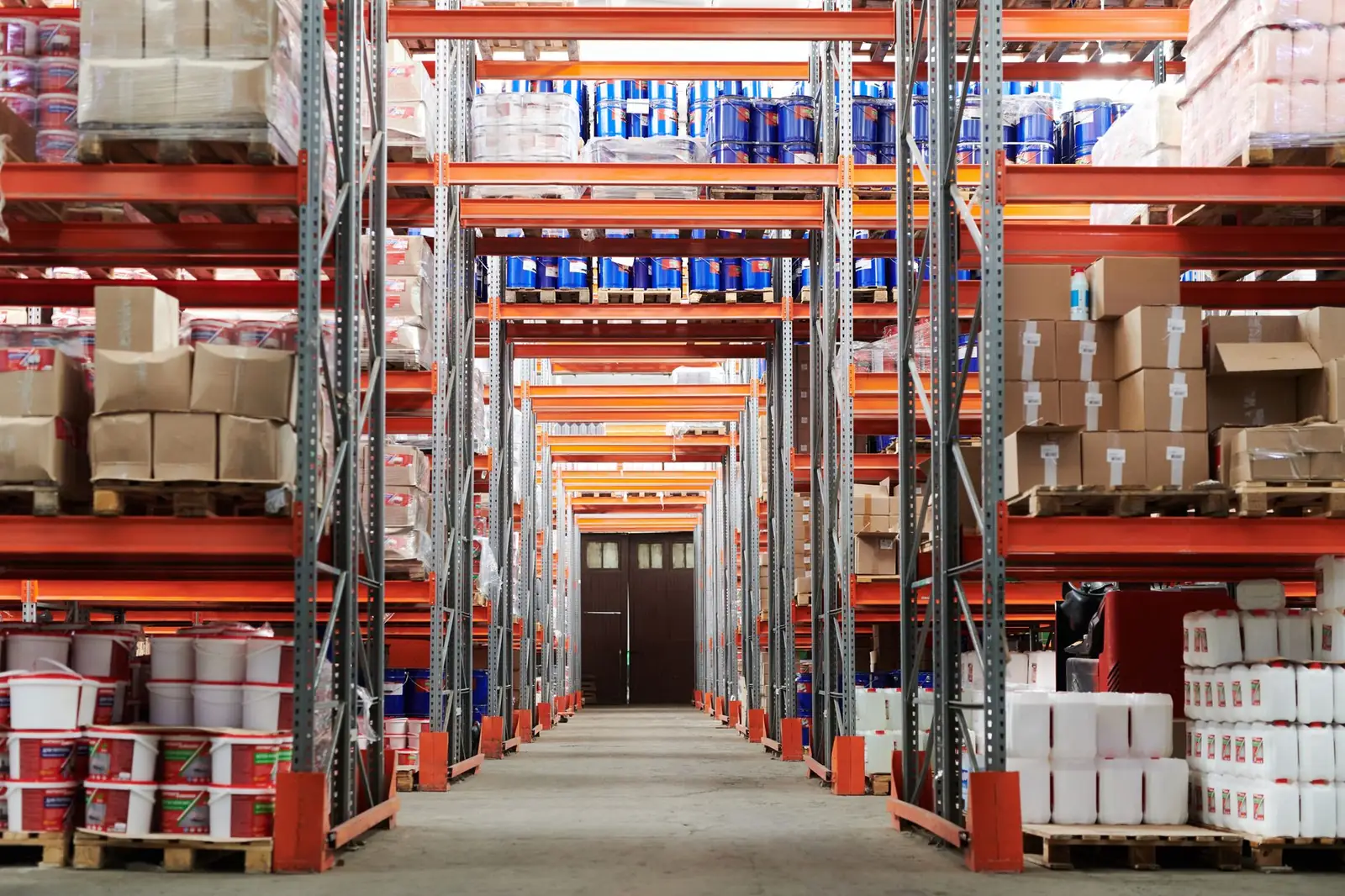
When stock arrives it's received: counted against the purchase order, checked for damage, and put away in a known location. From then on, every unit is tracked — because the stock number on each marketplace comes from the warehouse count.
Sellers have two broad choices here. Seller-fulfilled means you (or your warehouse) store and ship the inventory. Marketplace fulfillment — Walmart Fulfillment Services (WFS) or Fulfillment by Amazon (FBA) — means sending inventory to the marketplace's own warehouses and letting them ship. Many stores use a mix.
3. Listing: Where Customers Find It
A listing is the product page: title, images, attributes, description, price and shipping promise. Each marketplace has its own content rules and category requirements, and incomplete or inaccurate listings can be suppressed — hidden from search — without much warning.
Price is part of the listing. It has to cover product cost, the marketplace's fees, shipping and an allowance for returns, and still be competitive. That's why pricing is a calculation, not a guess.
4. Customer Order: Someone Clicks Buy
The marketplace takes the customer's payment and passes the order to the seller with a ship-by date. Missing it hurts the seller's performance metrics. The marketplace pays the seller later, after deducting its fees.
Stores selling on more than one marketplace need one view of all orders and one inventory count — otherwise the same last unit can sell twice.
5. Pick, Pack & Ship
The item is picked from its location, packed in the right box or mailer with protection, labeled with a carrier label, and handed off. Tracking is uploaded to the marketplace so the customer can follow the package.
Choosing the carrier and service is a trade-off between speed and cost. Packaging matters too: the wrong box size can raise the shipping price, and poor protection leads to damage and returns.
6. Delivered
When the package arrives, tracking confirms delivery. Marketplaces measure on-time delivery, valid tracking and cancellations for every seller. Strong numbers help keep listings visible; weak numbers can limit them.
Some orders come back. A clear returns process — receiving, inspecting, restocking or writing off — keeps both customers and inventory counts in order.
7. Profit & Reorder
Revenue minus product cost, marketplace fees, shipping, packaging, returns and advertising is what's actually earned. Tracking this per product shows which items deserve more inventory and which should be cut.
Sales speed and supplier lead time together decide when to reorder. Reorder too late and listings go out of stock; too early and cash sits on shelves. Then the cycle starts again at the supplier.
Where New Sellers Usually Get Stuck
- Buying inventory before doing the landed-cost and fee math
- Listings that are incomplete, miscategorized or suppressed
- Missing ship-by dates during busy periods
- Running out of stock on the products that sell best
- Watching revenue instead of profit per product
Key Terms
- Landed Cost
- Everything it costs to get a product into your warehouse ready to sell.
- Seller-Fulfilled
- You or your warehouse store and ship orders yourselves.
- WFS / FBA
- Walmart's and Amazon's programs where their warehouses ship your orders.
- Ship-By Date
- The deadline a marketplace gives you to ship each order.
- Listing Suppression
- When a marketplace hides a listing, often for missing or incorrect details.
- Reorder Point
- The stock level at which it's time to place the next supplier order.
Go deeper: Suppliers & Sourcing, Warehousing & Fulfillment, Shipping and Marketplaces.
Start Your Store With Us
Tell us what you want to sell and where. We'll review it within one business day, set up a strategy call, and show you exactly how we'd run it.